
5 Micro-decisions That Accelerate Your UX Career Transition

Making a UX career transition can feel like a daunting journey filled with uncertainty. While most advice focuses on the big moves—like enrolling in bootcamps or building an extensive portfolio—it’s often the smaller, daily choices that truly propel you forward. These micro-decisions might seem insignificant in isolation, but collectively, they create the momentum needed to successfully break into the UX field. This article explores five powerful micro-decisions that can dramatically accelerate your UX career transition and help you establish yourself as a UX professional more quickly and confidently.
Every successful UX career transition story includes these small but mighty choices that separate those who merely dream about working in UX from those who actually make it happen. By understanding and implementing these micro-decisions consistently, you’ll find yourself making progress even when the path seems unclear or overwhelming. Let’s dive into the specific daily choices that can transform your career trajectory and speed up your UX career transition.

Embrace the UX Mindset in Everyday Situations
One of the most powerful micro-decisions you can make during your UX career transition is to start viewing the world through a UX lens in everyday scenarios. This shift in perspective costs nothing but yields tremendous benefits for your development as a UX designer.
When you enter a store, notice how the layout guides your shopping experience. While using apps or websites, pay attention to what frustrates or delights you. Even mundane interactions, like operating your microwave or navigating a subway station, offer valuable UX insights. By making the conscious decision to analyze these experiences, you’re training your UX muscles and developing critical observation skills that will set you apart during your UX career transition.
Try documenting these observations in a dedicated “UX journal.” When you encounter a problematic interface or a brilliant design solution, take a moment to record what you noticed, why it worked or didn’t, and how you might approach it differently. This simple practice reinforces your learning and builds a collection of real-world examples that demonstrate your growing UX instincts—something that can be incredibly valuable during interviews and portfolio presentations as you progress through your UX career transition.
Remember that established UX professionals don’t turn their analytical minds off when they leave work—they’re constantly evaluating, questioning, and imagining better solutions. By making this same micro-decision to stay observant, you’re already practicing like a professional long before you land your first UX role.
Allocate 20 Minutes Daily to Structured Learning
During your UX career transition, the pace of your skill development directly correlates with consistent learning habits. While many aspiring UX designers plan ambitious study schedules that often become unsustainable, the micro-decision to commit to just 20 minutes of focused learning daily can yield remarkable results over time.
This micro-commitment works because it’s achievable regardless of how busy your schedule becomes. You can find 20 minutes before breakfast, during lunch, or before bed. The key is making the decision to prioritize this learning window with the same commitment you’d give to brushing your teeth—it becomes non-negotiable.
During these daily sessions, follow a structured approach related to your UX career transition:
- Monday: Study UX principles and theory
- Tuesday: Analyze case studies from established designers
- Wednesday: Practice specific UX skills (like wireframing or user flows)
- Thursday: Read industry articles and stay current on UX trends
- Friday: Review and reflect on what you’ve learned this week
The consistency of this micro-decision compounds powerfully. In just one month, you’ll have invested over 600 minutes (10 hours) in targeted learning, significantly advancing your knowledge base. More importantly, you’ll develop a learning rhythm that sustains your momentum through the inevitable challenges of a UX career transition.
Remember to track your progress in a simple log. Noting the topics covered and insights gained reinforces your learning and provides tangible evidence of your growth—something that builds confidence during the uncertain phases of career change.
Connect With One New UX Professional Weekly

Your network can dramatically accelerate your UX career transition, yet building meaningful professional relationships often gets postponed in favor of more tangible tasks like skill-building. The micro-decision to connect with just one new UX professional each week provides structure to your networking efforts and makes them more manageable.
This doesn’t mean sending generic connection requests to strangers. Instead, focus on quality interactions that can genuinely support your UX career transition:
- Identify UX designers whose work you admire
- Engage meaningfully with their content (leaving thoughtful comments on their articles or posts)
- Reach out with specific questions about their career path or insights
- Offer something of value when possible (perhaps sharing an article they might find interesting)
Start with lower-pressure connections like junior UX designers who are only a few steps ahead in their journey. These individuals often remember the challenges of their own UX career transition and are frequently more responsive to mentoring opportunities than busier senior designers.
Document these interactions in a simple spreadsheet, noting who you connected with, what you discussed, and any follow-up items. This systematic approach ensures you’re building a diverse network that can provide different perspectives, job referrals, portfolio feedback, and moral support throughout your UX career transition.
The cumulative impact of this micro-decision is substantial—after six months, you’ll have 26 new professional connections in the UX field, dramatically increasing your access to opportunities and insider knowledge that can accelerate your career shift.

Implement a 10-Minute Portfolio Update System
A common obstacle in any UX career transition is maintaining an updated portfolio that effectively showcases your evolving skills. Many aspiring designers fall into the trap of planning massive portfolio overhauls that never materialize because they feel overwhelming.
Instead, make the micro-decision to implement a 10-minute portfolio update system. This approach breaks portfolio maintenance into small, manageable actions that can fit into even the busiest schedules:
- Monday: Add screenshots or files from your recent UX practice work
- Wednesday: Write or refine a short paragraph describing a project’s objectives
- Friday: Document one specific challenge you overcame and how you approached it
This system ensures your portfolio evolves alongside your skills throughout your UX career transition. Rather than facing the daunting task of updating everything at once when job opportunities arise, you’ll have a continuously refined showcase of your capabilities.
Create a simple checklist of portfolio components that need regular attention (project descriptions, process documentation, outcome measurements, visual assets). During each 10-minute session, focus on improving just one element from your checklist, then mark your progress.
The psychological benefit of this micro-decision cannot be overstated—it transforms portfolio development from an anxiety-inducing project into a manageable habit. As you consistently implement this system throughout your UX career transition, you’ll avoid the common scenario of scrambling to update your portfolio when dream opportunities suddenly appear.
.
Practice Articulating UX Decisions for Five Minutes Daily
Perhaps the most overlooked aspect of a successful UX career transition is developing the ability to clearly communicate your design decisions. Technical skills matter greatly, but they must be paired with the ability to articulate your thought process and justify your choices.
Make the micro-decision to practice verbalizing your UX reasoning for just five minutes daily. This simple habit dramatically improves your interview performance and professional communication skills:
- Select a design element from any product you use (it could be a button placement, navigation structure, or color scheme)
- Set a timer for five minutes
- Explain aloud, as if speaking to a stakeholder, why you think the designers made this specific choice
- Articulate what user problems it solves and how it supports business goals
- Consider alternative approaches and why they might not have been selected
Record these practice sessions occasionally to identify patterns in your communication style and areas for improvement. Pay attention to filler words, clarity of explanation, and the structure of your reasoning.
During your UX career transition, this micro-decision builds a crucial skill that many junior designers lack—the ability to connect design choices to user needs and business objectives in a compelling way. When interviewers ask about your process or recruiters want to understand your thinking, you’ll respond with the confidence and clarity of someone who has practiced this exact scenario hundreds of times
Cultivate Cross-Disciplinary Inspiration Sources
Successful UX designers draw inspiration from diverse sources that extend far beyond digital interfaces. During your UX career transition, make the micro-decision to regularly expose yourself to cross-disciplinary inspiration that will enhance your creative thinking and problem-solving abilities.
Dedicate 15 minutes twice weekly to exploring adjacent fields that can inform your UX perspective:
- Architecture and physical space design
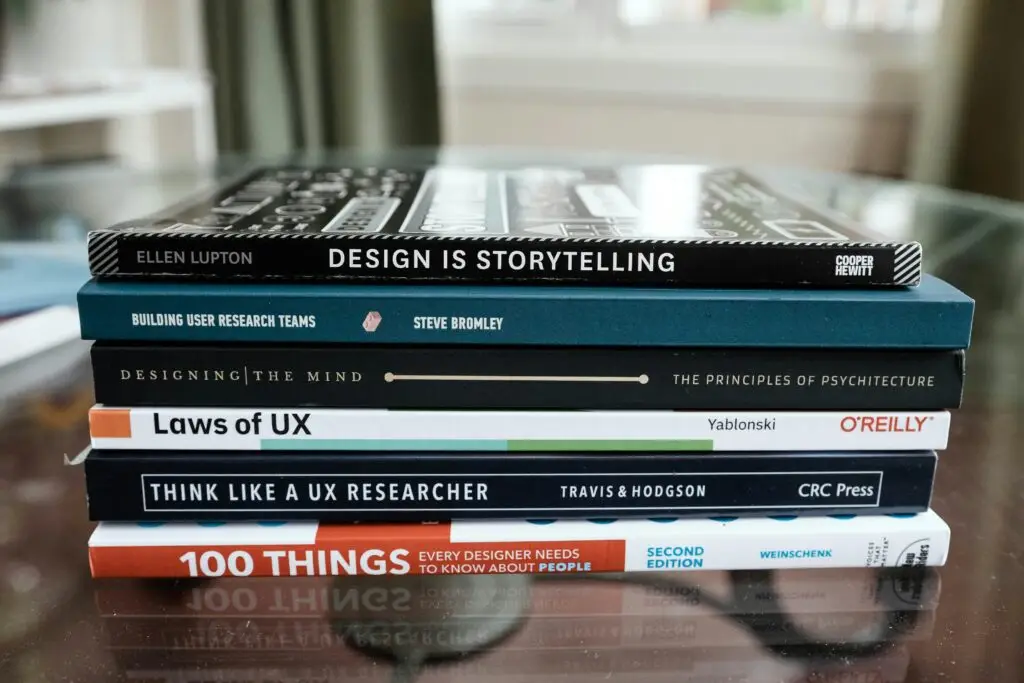
- Psychology and behavioral economics
- Film and storytelling techniques
- Fine art and graphic design history
- Business strategy and marketing psychology
Create a simple system for capturing insights from these explorations. Note how principles from other disciplines might apply to digital experiences, building a unique perspective that enhances your UX approach throughout your UX career transition.
This micro-decision significantly differentiates you from candidates who limit their inspiration to UI design galleries and trendy interfaces. When you can draw meaningful connections between architectural principles and navigation systems, or storytelling arcs and user journeys, you demonstrate a depth of thinking that impresses potential employers and clients.
Adopting the 2-Hour Project Challenge
One of the biggest barriers to progress during a UX career transition is perfectionism—the tendency to plan elaborate practice projects that never get completed because they seem too overwhelming. The micro-decision to embrace 2-hour project challenges overcomes this obstacle by constraining both the scope and time investment.
Here’s how to implement this practice:
- Set a clear timer for exactly 2 hours
- Choose a very specific UX challenge (redesigning a single feature, not an entire app)
- Work with urgency, making decisions quickly rather than agonizing over details
- When the timer ends, declare the project complete regardless of its state
- Document what you accomplished and what you learned in the process
These time-boxed exercises build decision-making confidence and help you become comfortable with the iterative nature of UX work. During your UX career transition, they also generate a collection of diverse mini-projects that demonstrate your ability to work under constraints—a valuable skill in real-world UX environments.
Schedule these 2-hour challenges weekly or bi-weekly, creating a consistent practice that produces tangible portfolio pieces without derailing your other commitments. The cumulative effect of this micro-decision is substantial: in just three months, you’ll have completed 6-12 focused projects that showcase different skills and approaches.
Conclusion: The Compound Effect of Micro-decisions on Your UX Career Transition
Your UX career transition will ultimately be shaped not by occasional grand gestures, but by the small, consistent choices you make daily. Each micro-decision described in this article may seem modest in isolation, but together they create a powerful system that builds momentum toward your goal of becoming a UX professional.
The beauty of focusing on micro-decisions is that they work regardless of your circumstances. Whether you’re transitioning to UX while working full-time, raising a family, or juggling other commitments, these small actions fit into the margins of even the busiest schedules.
Remember that successful career transitions rarely follow a linear path. There will be periods of rapid progress and frustrating plateaus. By anchoring your efforts in these consistent micro-decisions, you create a reliable foundation that carries you forward even when motivation fluctuates.
Which of these micro-decisions will you implement first in your UX career transition? Are there other small but significant choices that have helped your professional development? Share your experiences and questions in the comments below.
Frequently Asked Questions About UX Career Transitions
How long does a typical UX career transition take?
The timeline varies significantly based on your background, learning pace, and networking efforts. Most successful transitions take 6-18 months from start to first professional role, though some can happen more quickly with the right combination of transferable skills and strategic networking.
Do I need a design degree to transition into UX?
No, a design degree is not required. While formal education can be helpful, many successful UX professionals come from diverse backgrounds including psychology, marketing, customer service, or self-directed learning paths. Portfolio quality and practical skills ultimately matter more than credentials.
What’s the most important skill to develop during a UX career transition?
While technical skills are necessary, the ability to think critically about user needs and articulate the reasoning behind your design decisions is arguably most important. Employers consistently value problem-solving and communication skills above software proficiency.
How do I know if I’m making progress in my UX career transition?
Look for signs like increased confidence in discussing UX concepts, improvement in the quality of your design work, growing engagement from UX professionals in your network, and more informed questions about the field. Progress isn’t always linear, but these indicators suggest you’re moving in the right direction.
Is it better to specialize or be a UX generalist during a career transition?
For most career changers, starting as a generalist provides flexibility and a broader understanding of the field. Once you’ve secured your first role, you can begin exploring specialization based on your interests and strengths. However, having one area where you demonstrate deeper skills can help differentiate you from other candidates.
Posts recentes

Páginas
Categorias